Visitors from Space

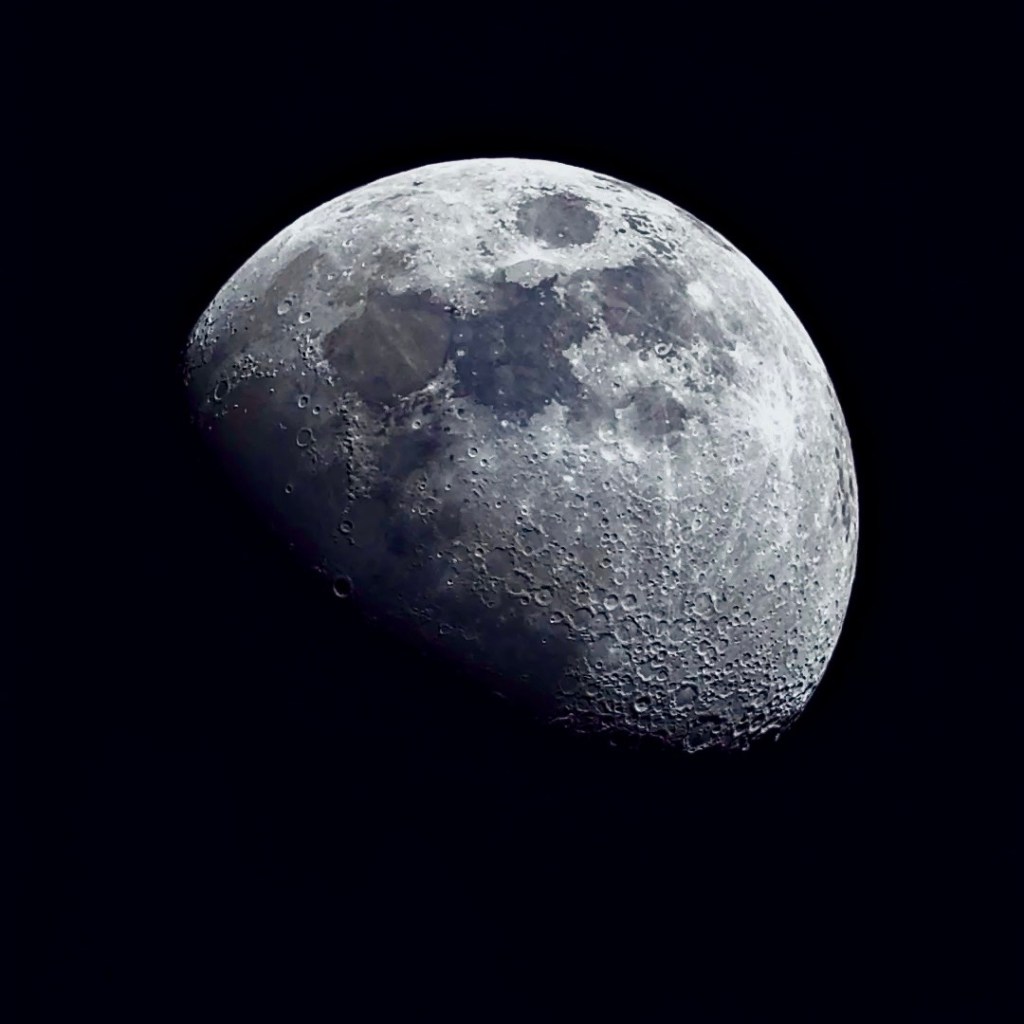
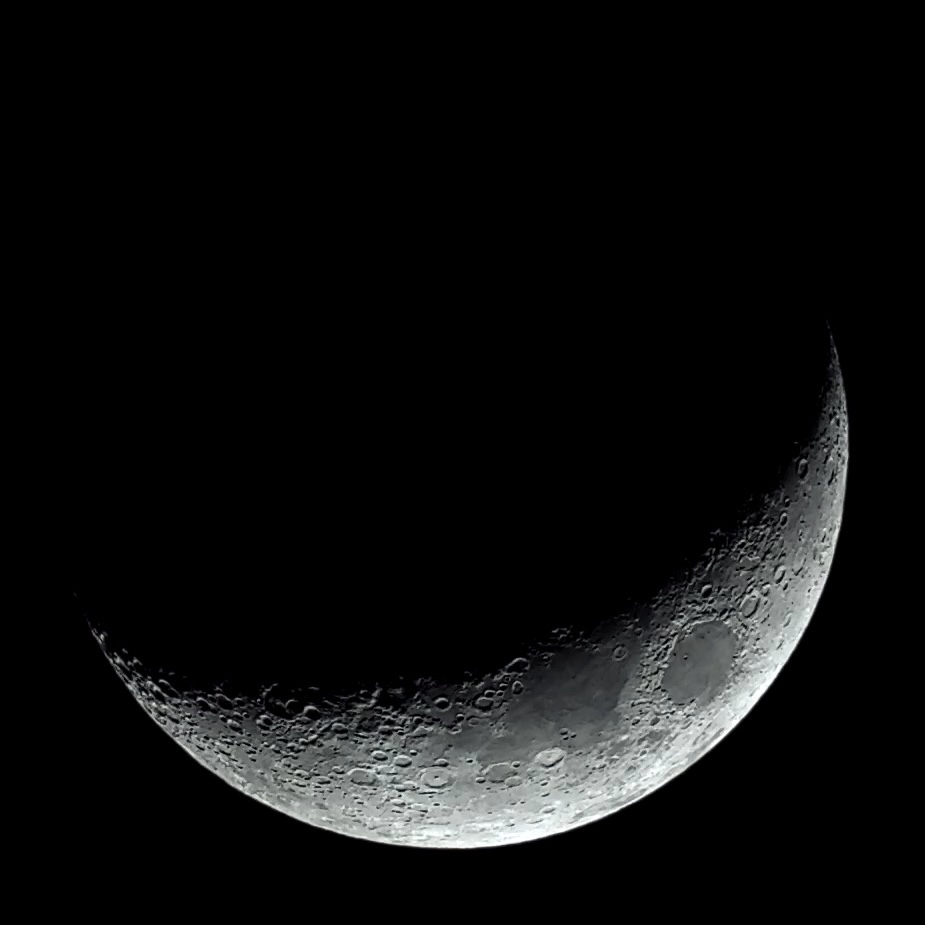
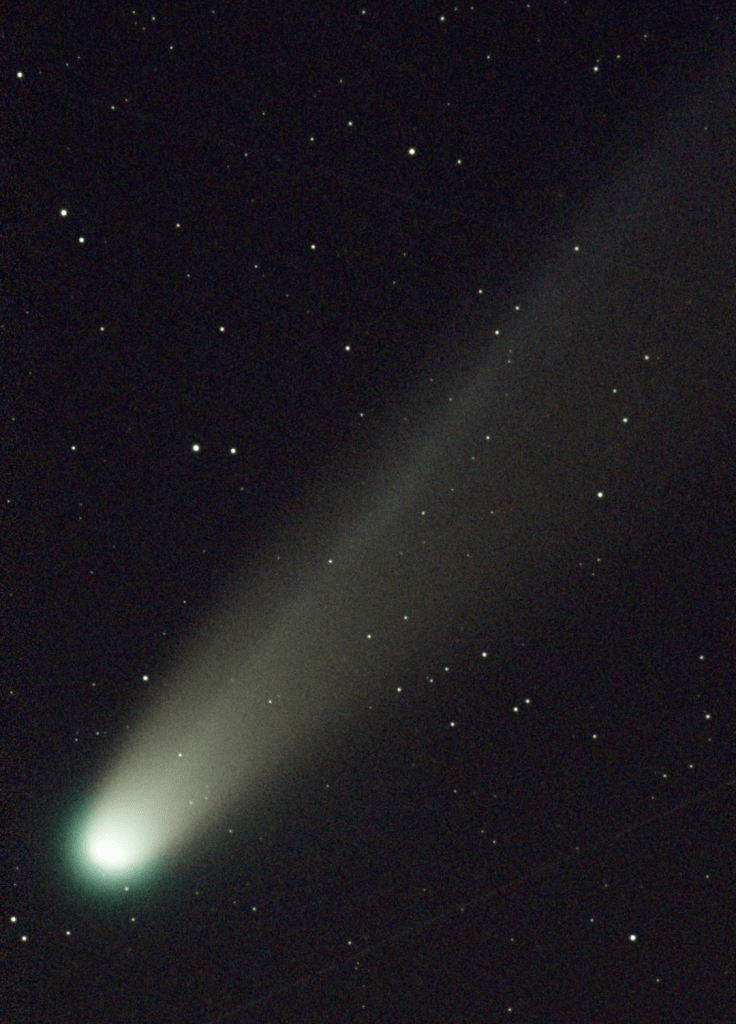
Comets are among the more rewarding targets for astrophotography. Relatively short time exposures can drink in enough light to show a glowing coma – the gas and dust coming out of the comet as it warms in the vicinity of the sun – or even show a the comet’s tail as the solar wind blows these gases away from the comet itself. In these recent images, comet Lemmon displays its tail in the west-northwest, and comet SWAN is seen in a sea of stars in the southwest. Keep in mind that the nearest object in either picture is 56 million miles away, so set your focus accordingly!

Staring Into Space

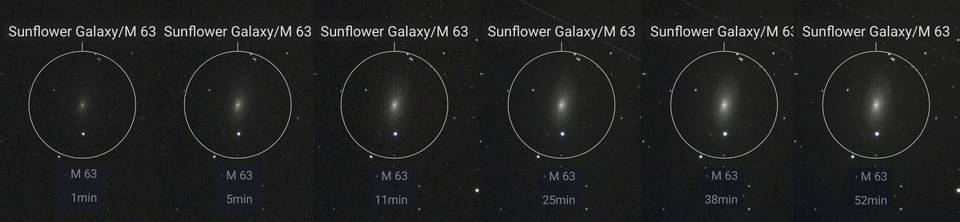
We think most people understand that astrophotos are time exposures and that it takes time to achieve the most resolution and color saturation. Obviously live online viewing allows for only real-time accumulation of photons, so there will be a limit to the quality of the image.

Above you see a demonstration of the resolution and signal-to-noise achieved with various exposure times. Such improvement of the images increases with the square root of the exposure duration. That is, it takes an exposure 4 times as long to double the signal-to-noise. It takes 9 times as long to triple the signal-to-noise, and so on. We feel that with the sensitivity and the aperture of the instrument available to us, many popular galaxies render in a meaningful way in 10 to 12 minutes. Not unlike a cooking show, images that are already prepared can be offered to show what the image would look like with increasing exposure times, but hopefully the live, “that’s really up there right now” sense of a live view helps the viewer to experience the universe in a more direct, visceral way.