
Improvements in camera sensors have obviously helped to enable amateurs (or small non-profs) to obtain compelling images using otherwise traditional telescope designs. The Cosmoscope’s primary telescope is a simple apochromatic triplet design. This means that there are only three glass elements before the digital sensor, but those elements are designed to keep the lenses from creating a “rainbow” effect, like a prism, separating colors as they go through!
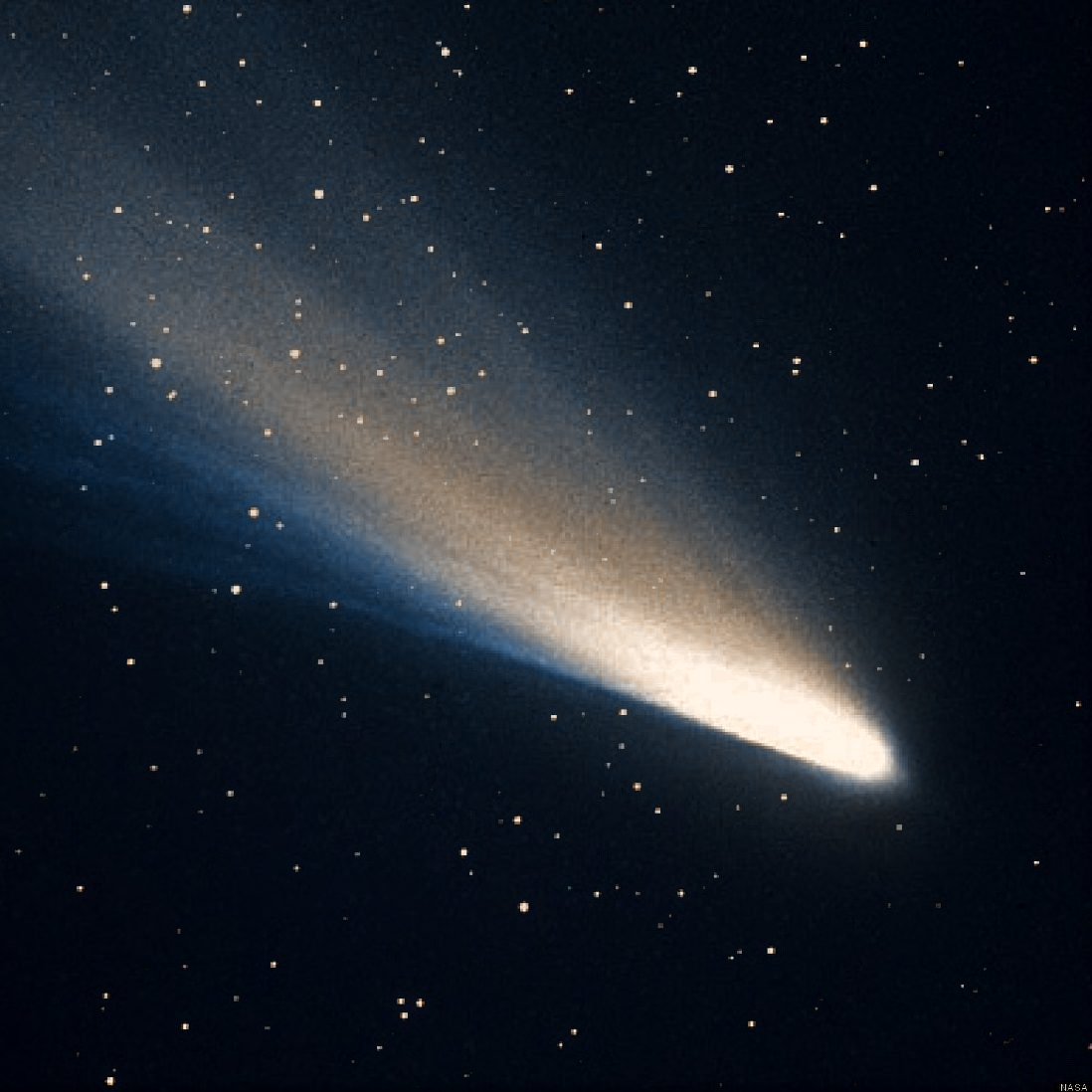
The biggest improvements in the past 30 years have been to software processing of images. Pictures with little difference between the dark of space and the illumination of nebula, for instance, can have the contrast increased in strategic ways to reveal the detail that would result from more light; either through longer exposure or a larger telescope.
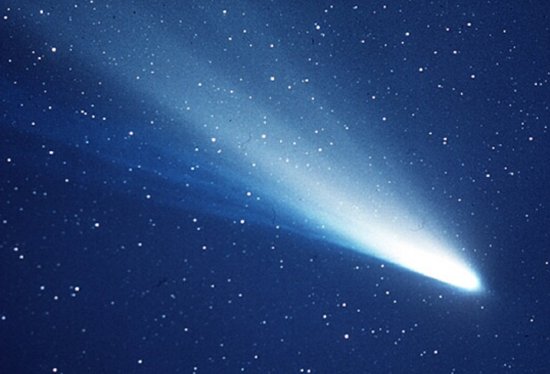
We’ll discuss this further as time goes on and interesting examples accumulate, but we couldn’t help sharing this simple demonstration from Cosmoscope staff. The first, blue image is a publicly accessible .jpg of Halley’s Comet, captured on film in 1986. This image accompanies numerous articles at NASA’s site, and countless other educational websites. The next is the very same data, color balanced and contrast increased. There was no addition (other than painting out the “hairs” you see on the original slide! Let us know what you think!
 Cosmoscope