
The Cosmoscope is described in the site logo as a Digital Observatory & Space Imaging Center. From a standpoint of national notoriety the image processing may be the most significant thing the project can bring to the Cosmosphere.
We propose to develop expertise in the post-processing of digital (or digitized) telescope image data captured by ourselves, by partner observatories, and public domain sources like the Hubble project, or NASA archives. Within a short drive of Underground Vaults and Storage, a world-class archival media storage facility, the Cosmoscope offers a unique role internationally as a repository for unique and priceless film and digital assets.  Using high end, but still consumer-class PCs, we hope to both develop our own expertise and that of interested members of the community. In the early years it might be useful to make it clear that our imaging mission is for artistic purposes, for public outreach rather than spectrometry or other science, freeing us to use commercially-available software like Photoshop without the rigors of documenting the precise data manipulation being employed. Alternately, or down the road, we could become the go-to experts on the traits and idiosyncracies of past hardware, making a case that we can digitally “undo” unavoidable artifacts of the original image capture, rendering classic images in higher fidelity than ever before.
There are several opportunities for the Processing Center to specialize. Many famous astronomy photos, for instance, are known for something called the Hubble color palette, applying a “stretched” color scheme of inaccurate and arbitrary color temperatures, frequently to incorporate data outside of the visible spectrum. Source dat
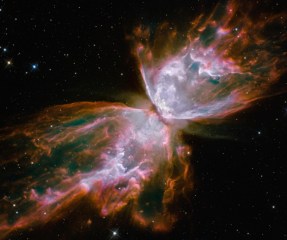
a for these images is freely available from NASA and can be re-processed using state-of-the-art techniques. This activity is not be unique to the Cosmoscope, but we could gain a reputation for releasing calendars, collectibles and other products using these images. On the other end of the spectrum, (so to speak) we could specialize in archiving, scanning and processing images originally captured on film.
Because of the issues of light sensitivity, many historic images were
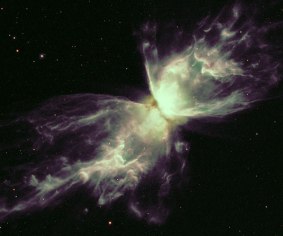
shot and developed on black and white film, with a separate exposure for each color, not unlike the Technicolor process. These individual color plates can be combined using our best scholarly efforts as to the precise colors of the filters, the sensitivity profile of the film, etc. Or, we can just make them look pretty. Either way, modern digital techniques will yield results as yet unseen. Many of these images likely contain evidence of supernovae and other ephemera in the heavens and Cosmoscope archives of as-yet uncatalogued data could serve as a unique global resource.
Infrastructure for the Image Processing Center would consist of modern computers with late model video cards designed to accelerate processing in Photoshop. A permanent office space for this work 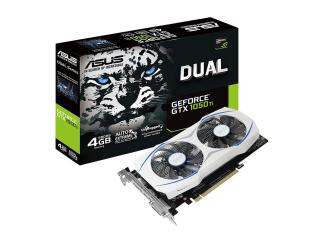 could be secured (at midwestern rental pricing!) To serve also as the offices for the larger Cosmoscope project. The exact nature of this space may be chosen based
upon the Public Relations value of this project to the Cosmosphere itself.
 Cosmoscope